Temperature-controlled storage has become indispensable for businesses handling perishable goods, pharmaceuticals, fresh produce, and temperature-sensitive products. Proper cold chain management directly impacts product quality, shelf life, regulatory compliance, and ultimately business profitability. As consumer expectations for fresh, safe products intensify and regulatory standards become more stringent, investing in professional chilled storage infrastructure represents a critical business decision that protects inventory value, ensures customer satisfaction, and maintains competitive positioning in demanding markets.
Chilled Storage
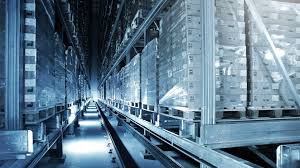
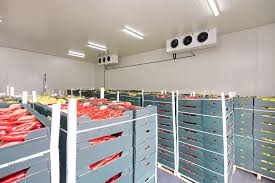
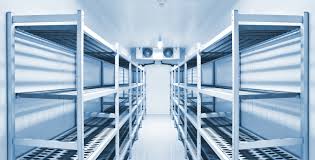
Chilled storage facilities maintain precise temperature ranges typically between 0°C to 8°C, creating optimal conditions for preserving perishable products without freezing. Professional chilled storage solutions incorporate advanced refrigeration systems with redundant cooling units ensuring continuous temperature maintenance even during equipment servicing or unexpected failures. Sophisticated monitoring systems track temperature fluctuations in real-time, providing automated alerts when conditions deviate from specified parameters, enabling immediate corrective action preventing product spoilage. Modern facilities feature insulated wall panels with high R-values minimizing thermal transfer, specialized flooring resistant to moisture and temperature extremes, and efficient air circulation systems eliminating hot spots ensuring uniform temperature distribution throughout storage areas. Humidity control mechanisms prevent excessive moisture accumulation or desiccation, maintaining ideal conditions for different product categories. Energy-efficient refrigeration technologies reduce operational costs while maintaining environmental sustainability. Professional chilled storage serves diverse industries including food and beverage companies storing dairy products, fresh meat, seafood, fruits, vegetables, and prepared foods; pharmaceutical companies maintaining vaccines, biologics, and temperature-sensitive medications; floral businesses preserving cut flowers; and catering operations managing ingredients and prepared dishes. Proper chilled storage extends product shelf life, reduces waste, maintains nutritional value, preserves flavor profiles, and ensures compliance with food safety regulations.
Chilled Storage in Jeddah
Jeddah’s strategic position as Saudi Arabia’s principal Red Sea port and commercial gateway creates substantial demand for professional chilled storage facilities. The city’s extreme climate with summer temperatures exceeding 45°C makes reliable temperature-controlled storage absolutely critical for businesses handling perishable goods. Chilled storage in Jeddah serves the region’s thriving food import industry, hospitality sector supporting millions of annual pilgrims, expanding restaurant chains, supermarket networks, pharmaceutical distributors, and catering companies. Modern facilities near Jeddah Islamic Port provide crucial infrastructure supporting cold chain logistics for imported perishables entering Saudi markets.
Chilled Storage in Dammam
Dammam, serving as the Eastern Province’s industrial and commercial hub, requires extensive chilled storage infrastructure supporting the region’s petrochemical industry, manufacturing sector, and growing consumer markets. Chilled storage in Dammam accommodates diverse needs from food service distributors supplying restaurants and hotels to pharmaceutical companies serving healthcare facilities. The city’s proximity to King Fahd International Airport and major seaports makes it a strategic location for temperature-controlled warehousing serving regional distribution networks.
Industry Leader: Units (units.sa)
Units has established itself as Saudi Arabia’s premier provider of professional chilled storage solutions, specializing in turnkey cold chain infrastructure throughout the Kingdom. With extensive experience serving Jeddah, Dammam, and major Saudi cities, units.sa delivers customized facilities featuring cutting-edge refrigeration technology, comprehensive monitoring systems, regulatory compliance support, and ongoing maintenance ensuring your perishable inventory remains perfectly preserved under optimal conditions.
Conclusion
Partnering with experienced providers like Units ensures businesses access professional chilled storage infrastructure that protects product quality, ensures regulatory compliance, and supports operational excellence across Saudi Arabia’s demanding climate.
Frequently Asked Questions (FAQs)
1. What is the difference between chilled storage and frozen storage? Chilled storage maintains temperatures between 0°C to 8°C preserving fresh products without freezing, while frozen storage operates below -18°C for long-term preservation. Units at units.sa provides both solutions based on specific product requirements.
2. How much does professional chilled storage cost in Jeddah and Dammam? Costs vary based on facility size, temperature requirements, monitoring systems, and lease duration. Units offers competitive pricing with flexible arrangements. Contact units.sa for customized quotations based on your specific storage needs.
3. What products require chilled storage conditions? Fresh produce, dairy products, meat, seafood, prepared foods, beverages, pharmaceuticals, vaccines, biologics, flowers, and cosmetics all benefit from chilled storage. Units provides specialized zones for different product categories.
4. How does Units ensure temperature consistency in extreme Saudi climates? Units employs industrial-grade refrigeration systems with redundant cooling, superior insulation, backup power systems, and 24/7 monitoring ensuring consistent temperatures regardless of external conditions throughout Jeddah, Dammam, and other Saudi locations.
5. Are Units’ chilled storage facilities compliant with Saudi food safety regulations? Yes, all Units facilities meet Saudi Food and Drug Authority (SFDA) requirements, maintaining proper documentation, regular inspections, and quality assurance protocols ensuring full regulatory compliance. Visit units.sa for certification details and compliance documentation.